Scamcheck: Shouldn't be That Troublesome As You Assume
본문
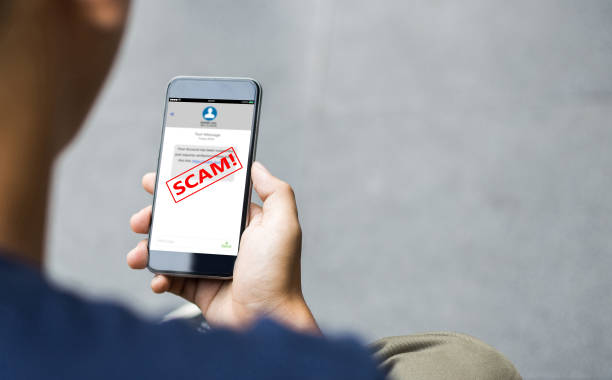 Scams are no longer just clumsy phone calls or obvious fake emails. Today, a scam can look polished, personal, and strangely believable. It can arrive through a text message, a social media DM, a fake job offer, a payment request, or even a voice that sounds exactly like someone you trust. The strange part is that most scams do not succeed because people are careless. They succeed because scammers understand human behavior better than many businesses do. They know when people are rushed, hopeful, embarrassed, lonely, or afraid. That is why scam prevention is not only about technology. It is also about psychology, timing, and pattern recognition.
 One reason scams keep evolving is that they are profitable at scale. A scammer does not need every target to fall for the trick. They only need a small percentage. This changes the whole game. Instead of trying to fool everyone with one obvious lie, modern scammers run many small experiments. They test subject lines, messages, fake identities, and payment methods until something works. In a way, a scam today behaves like a business with poor ethics and excellent marketing. It studies which promises get clicks, which warnings are ignored, and which emotions make people act fast. That is why scams often feel oddly personalized. They are designed to feel like they were made for you.
1. Why Scams Work Even on Smart People
A common myth is that only gullible people fall for a scam. In reality, smart people can be especially vulnerable because they often trust systems, move quickly, and assume they will notice fraud before it happens. Scammers exploit that confidence. They create situations where the victim feels they are making a reasonable decision under pressure. For example, a scam may imitate a bank alert, a delivery update, a tax notice, or a business invoice. Each one is built around a believable context, which is why the scam can slip past basic suspicion.
The deeper trick is emotional timing. A scam rarely begins with the most outrageous claim. It starts with something small and familiar. Maybe it is a message about a package you did not remember ordering. Maybe it is a payment reminder that looks almost right. Maybe it is a "friend" asking for help in a moment of urgency. The goal is not immediate theft. The goal is to get you to take one harmless-looking step: click, reply, confirm, verify, or pay. Once that first step happens, the scam becomes easier to continue because the victim has already engaged.
There is also a social layer to scam success. People often hesitate to question authority, especially when the message comes from an institution, a boss, a bank, or a platform they use every day. A well-built scam borrows the tone of legitimacy. It uses logos, formal language, and realistic formatting. It may even include just enough correct information to make the rest of the lie feel trustworthy. This is why scam awareness should focus less on "spotting obvious fakes" and more on recognizing pressure, urgency, and unusual requests.
2. The New Shape of Scam Tactics
Old-fashioned scams were broad and crude. New scams are precise. One of the biggest changes is that scammers now use data to make their messages more convincing. Public social media posts, leaked contact lists, and online profiles give them enough material to personalize an attack. A scam email might mention your workplace, your city, your recent purchase, or a service you actually use. That tiny detail can make the entire message feel real.
Another major shift is the rise of multi-channel scams. Instead of using only one method, scammers may combine email, text, phone calls, and social media. You might receive a message that seems harmless, then a follow-up call that adds pressure, then a fake website that closes the loop. This layered approach is powerful because each step reinforces the illusion of legitimacy. By the time the victim realizes something is wrong, they have already been guided through a carefully staged process.
One overlooked feature of modern scam design is what we can call "plausible inconvenience." Scammers often make the process slightly annoying on purpose. They may ask you to re-enter a code, confirm a payment, or "fix" a login issue. That inconvenience makes the request feel bureaucratic rather than criminal. People are used to systems being messy, so they tolerate friction instead of stopping to question it. In that sense, the scam succeeds by looking like normal digital life.
There is also a growing trend of relationship-based scams. These are not just about money. They build trust over time through conversation, attention, and emotional support. A scam can begin as a friendship, a romance, or a professional connection. The victim may not even feel "targeted" at first. That is what makes this form particularly dangerous. It does not only steal money. It steals judgment by slowly rewiring what the victim believes about the other person.
3. How to Spot a Scam Before It Grows
The best scam defense is not paranoia. It is slowing down at the exact moment someone wants you to speed up. Most scams contain friction points that feel minor in the moment but become obvious in hindsight. Watch for requests that create urgency, secrecy, or emotional intensity. If a message says you must act now, avoid telling anyone, or verify something immediately, that is a strong warning sign. Real institutions may be firm, but they rarely demand panic.
Another useful habit is checking the direction of the request. A legitimate company usually provides a secure path for you to reach them. A scam often pushes you to use the contact method they supplied. That distinction matters. If you receive a message asking you to click a link, call a number, or send money through an unusual channel, pause and verify independently. Open a new browser window, use the official website, or contact the organization through a known number. This small detour can stop a scam before it starts.
It also helps to notice emotional bait. Scam messages often try to trigger one of four reactions: fear, greed, curiosity, or sympathy. Fear-based scams threaten account closure or legal trouble. Greed-based scams promise prizes, investments, or sudden gains. Curiosity-based scams tempt you with shocking news or secret information. Sympathy-based scams ask for help in a crisis. Once you can name the emotion, the message loses some of its power. That is one of the most practical anti-scam (no title) skills a person can develop.
A less-discussed warning sign is inconsistency in detail. Scams often get the broad story right but miss the small things. A name may be slightly off. A logo may be outdated. A time zone may not match. A message may sound professional, but the payment instructions feel oddly informal. These tiny mismatches matter because legitimate organizations tend to be consistent. Scammers, by contrast, are assembling a performance. The seams eventually show.
4. Building a Scam-Resistant Mindset
Avoiding a scam is easier when you build habits that make impulsive decisions harder. One of the most effective habits is the "pause and verify" rule. If money, access, or personal information is involved, do not respond immediately. Take a minute, or even ten. That pause breaks the scam’s momentum. It also gives your rational mind time to catch up with your emotional reaction.
Another smart practice is to reduce the amount of information you expose publicly. Many scams become possible because personal details are easy to collect. If your social profiles reveal your workplace, travel plans, family members, or favorite services, you are giving scammers raw material. Privacy is not about hiding from the world. It is about making it harder for deceptive messages to feel tailored to you.
It is also worth talking about scam shame, because shame helps scammers more than victims. Many people stay silent after being tricked because they fear embarrassment. That silence allows the scam to spread. If someone reports a scam early, others can be warned before the same tactic reaches them. In that sense, scam awareness is a community defense system. The faster people share what happened, the less power the scam has.
Finally, remember that the most dangerous scam is not always the one that steals money instantly. Sometimes it is the one that gets you used to ignoring your instincts. If something feels off, treat that feeling as useful data. You do not need perfect proof to slow down. You only need enough uncertainty to verify before acting. That habit alone can save you from many of the most common scams online and offline.
Scams will keep changing because deception adapts wherever trust exists. But the core pattern stays the same: a scam tries to borrow credibility, create urgency, and push you past reflection. Once you understand that structure, you are far harder to fool. The goal is not to become suspicious of everything. The goal is to become deliberate when it matters most. In a world full of polished lies, that kind of calm attention is one of the strongest protections you can have.
댓글목록 0
등록된 댓글이 없습니다.