Avoiding Perimenopause Bladder Troubles
작성자 Jacquelyn
작성일 26-09-28 16:21
조회 16
댓글 0
연락처 UH
본문
Managing tension is likewise crucial, as adrenal hormones affected by stress and anxiety influence urinary system function. The most typical sort of bladder control trouble in older ladies is tension urinary incontinence. Compromised muscles can't hold back urine when you cough, work out, sneeze, laugh, or lift something hefty. The result can be a tiny leakage of pee or a complete loss of control.
The Influence Of Hormonal Agent Therapy On Urinary System Incontinence
The ordinary age for menopause is years of ages, so signs can begin as quickly as your very early 40s. You might locate that way of life modifications alone aren't enough to totally settle urinary incontinence. Keep a journal of your signs, any triggers that make urinary incontinence worse, and the severity of your signs. Menopause is the end of a woman's fertility and is noted as 12 successive months without a duration, yet you might experience signs for months and even years before you reach that 12-month turning point.
- You can do this by raising the amount your bladder can hold and the time between sees to pass urine.
- Perimenopause can start prior to your last period ends, usually between the late 30s and 50s.
- Issues with urinary feature-- such as urinary incontinence and infections-- are typically approved as a difficult, inescapable reality of getting older, however they don't have to be.
- They can aid protect against the weakening of pelvic floor muscle mass, which often occurs during pregnancy and giving birth.
- These might consist of medications to aid with bladder function, neighborhood hormonal agent therapy, interventions like neurostimulation, or surgeries to strengthen assistance for the bladder and urethra.
- Menopause marks a substantial transition in a woman's life, with its array of symptoms often bring about concerns regarding their origin.
Signs and symptoms consist of vaginal dry skin, decreased lubrication, pain with intercourse, and urinary system concerns like increased necessity, frequency, and urinary system incontinence. That lack of estrogen deteriorates and thins the bladder wall surface, that makes urinary system features much less foreseeable. These adjustments can additionally deteriorate the pelvic floor muscles, which reduces general assistance for the bladder and urethra. A drop in estrogen and other hormonal agent modifications can affect muscle stamina in the pelvic area, increasing one's opportunities of experiencing urinary incontinence.
Analysis Methods For Hormone And Urological Problems
For mild instances of urinary incontinence, you can try exercises that enhance your pelvic floor bladder muscle mass, and you can likewise attempt bladder training to restore control of your bladder. Those struggling with serious urinary system incontinence might need drugs, medical devices, or surgical treatment. Normal pelvic flooring workouts, frequently called Kegels, can aid reinforce the pelvic flooring muscular tissues that support the bladder and urethra.
Do You Need To Do Pelvic Flooring Exercises For Life?
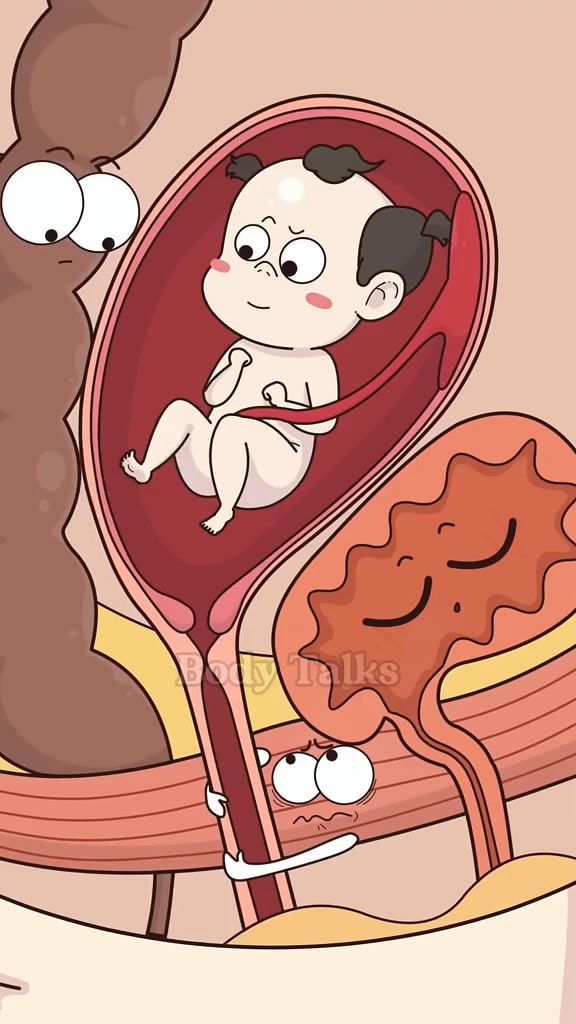
Ladies have one-of-a-kind health and wellness events, such as maternity, giving birth, and menopause, that might affect the urinary system and Bladder the bordering muscle mass. The pelvic flooring muscular tissues that sustain click through the next page bladder, urethra, womb (womb), and bowels might become weak or harmed. When the muscles that sustain the urinary system are weak, the muscles in the urinary system tract have to work tougher to hold pee till you prepare to urinate. This added tension or stress on the bladder and urethra can create urinary system incontinence or leak. Urinary incontinence is the involuntary loss of bladder control, indicating pee leaks when you do not mean it to. It can vary from occasional light leakage when coughing or sneezing to an unexpected, intense desire to urinate that's tough to manage.
Estrogen plays a key function in keeping the stamina and versatility of the pelvic flooring muscle mass, bladder, and urethra. As hormone levels go down, these cells might compromise, resulting in much less control over urination. Several therapy choices exist for handling urinary system incontinence throughout menopause. Menopause causes a decrease in estrogen, which affects the bladder, urethra, and pelvic flooring muscular tissues.
For example, estrogen helps maintain the bladder and urinary tract tissue healthy and balanced, maintaining an elastic top quality that advertises typical feature. During menopause, the decrease in estrogen triggers these cells to thin and weaken. In time, these changes make it more difficult to manage pee circulation, boosting the risk of urine leakage or urinary incontinence. People often ask if changes in male hormones impact their shower room routines, and the solution is yes. Changes in testosterone degrees can trigger considerable urinary troubles in men as they age.
Throughout perimenopause, menstrual cycle comes to be uneven, eventually finishing when menopause starts. While menopause-related urinary incontinence can be difficult, there are a number of strategies to take care of and alleviate its signs. One major limitation of the current body of research is the irregularity in diagnostic devices and techniques throughout research studies.
Surgery to fix and raise your bladder right into a much better setting is frequently the last resort for UI therapy. It's thought about for individuals that can not be aided by various other types of treatment. Infections of your urinary system system or bladder may cause short-lived UI. When the infection is removed, your UI will likely settle or improve. Among one of the most valuable methods to reduce bladder issues in perimenopause is with healthy restroom behaviors.

댓글목록 0
등록된 댓글이 없습니다.